Brand Video Production
Justin's Hearty Recipes — Cookbook Launch and Make-A-Wish Story
Read Full Transcript of This Video
Transcript: Justin's Hearty Recipes — Cookbook Launch and Make-A-Wish Story
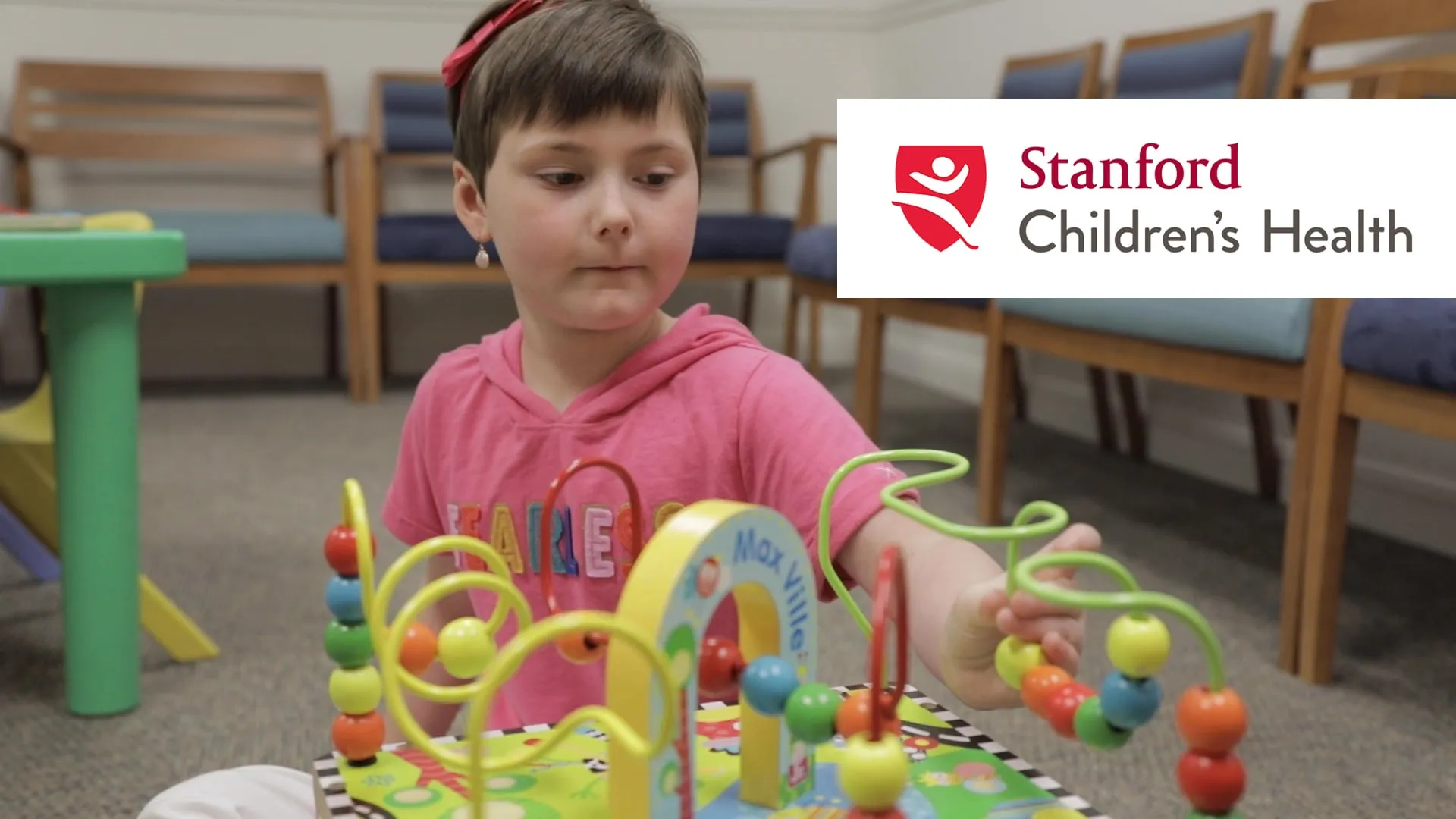
**Seth Hollander, MD, Pediatric Cardiologist, Stanford Children's Health:** So Justin's really a remarkable young man. He's only 16 years old, but he's always been very mature. He's been very driven and very focused.
Justin was born with a blood disorder called Loeffler's syndrome in which his own blood cells deposit themselves to different organs including his heart.
This caused his heart to fail and over the course of his childhood we tried many things to make him feel better including medications and surgery.
These efforts were ultimately unsuccessful and it got to the point when he was 15 years old that Justin had to go on the heart transplant waiting list and wait for a new heart.
Today is a very special day for Justin. One, we are going to see the release of his heart-healthy cookbook. It also happens to coincide with the one year anniversary of his heart transplant which was three days ago.
**Dr. Lauren SDchneider, Pediatric Psychologist, Stanford Children's Health:** One of the really awesome things about this event is that Make-A-Wish and Stanford Children's Health are partnering in order to grant Justin's wish which was to provide a healthy cookbook for other patients like him.
So tonight is the launch of that cooking demonstration and also a book signing. So very exciting to be a part of.
**Justin, Make-A-Wish Recepient:** In case you guys didn't notice last Saturday, April 27, 2019, I celebrated my one-year anniversary.
**Jami Zamyad, MD, Director of Pediatric Nutrition, Stanford Children's Health:** I was amazed by the whole story because the fact that Justin is so proactive in his care and so aware of what his body needs and what it means to his body to get the right foods, you know, get sleep and exercise and realizing all of this and wanting to you know pass that forward and and help other kids that are going through the same thing, and bringing that awareness it's phenomenal. So proud of him.
**Justin, Make-A-Wish Recepient:** The fact that they take home a part of me that's really awesome, but as I said, you know, during the speech the cookbook became something more than myself. The cookbook really became a symbol of hope.
I think hope is really powerful.
**Seth Hollander, MD, Pediatric Cardiologist, Stanford Children's Health:** Justin is really an inspiration to lots of other kids with heart transplants.
Not only has he written this wonderful cookbook for people to use, he maintains an outstanding attitude towards his future and takes great care of his body and his spirit and I think other kids could really learn how to deal with having a heart transplant from such a great example as Justin.
**Justin, Make-A-Wish Recepient:** Be an organ donor. I think that when we all grow up we always are like, "what am I gonna be? How do I contribute to this world? And what is my legacy?"
And when you're an organ donor you're saving people's lives.
You are continuing your legacy and I bet those people that receive your organs they will always remember you as a hero.
About This Video
Justin was 15 when he was placed on the heart transplant waiting list. He was born with Loeffler's syndrome — a condition where blood cells deposit into organs, including the heart — and his heart eventually failed. April 27, 2019 marked his one-year transplant anniversary. Timed to that milestone, Justin launched his cookbook, Justin's Hearty Recipes, through a partnership between Make-A-Wish and Stanford Children's Health. "The cookbook became a symbol of hope." The video closes with a message about organ donation: "I bet those people that receive your organs will always remember you as a hero." For <span class="strong">brand video production</span> in a cause marketing context, the challenge is letting the story carry without sentimentalizing it. Justin's voice and the specifics of his experience — the diagnosis, the wait, the anniversary, the cookbook — do that work.
How do you produce a brand video for a cause marketing or nonprofit awareness campaign?
Let the person at the center of the story tell it in their own terms. A cause video that relies on narrator framing and emotional music to carry the weight is weaker than one where the subject describes what happened and what it meant in plain, specific language. Justin's story — born with Loeffler's syndrome, heart failed, waited at 15, received a transplant, launched a cookbook on the anniversary — is complete and specific enough to carry the video without embellishment. The production's job is to get out of the way.
What should a healthcare or Make-A-Wish partnership brand video include?
The named condition or context, the specific wish or milestone, the organizational partners and what they contributed, and a clear connection between the story and the cause. For Justin's Hearty Recipes: the diagnosis (Loeffler's syndrome), the transplant, the one-year anniversary as the timing hook, Make-A-Wish and Stanford Children's Health as the partners, and the organ donation message as the broader cause. The cookbook isn't just a cookbook — the video makes that explicit. That's the structure: story, milestone, partners, cause.
How do you close a cause or advocacy video to drive action?
End with the broadest argument the story supports, not a product pitch. Justin's video closes with a message about organ donation legacy — 'those people that receive your organs will always remember you as a hero' — which extends the personal story into a public call to action. A cause video that ends with a website URL or a tagline is weaker than one that ends with a statement the viewer will carry with them. The call to action should feel earned by the story that preceded it.
How long should a cause marketing or healthcare advocacy brand video be?
Two to four minutes for a story-driven cause video. The story needs enough time to breathe — to establish the medical context, show the person, make the emotional stakes clear, and land the message. Shorter cuts (90 seconds) can work for social or event use but need to sacrifice context. The full version belongs on the campaign page or organization's website where a viewer arrives already primed to engage. Cause videos that are too short feel like they're rushing a story that deserves more room.