Technology Video Production
AOMedia AV1
Read Full Transcript of This Video
Transcript: AOMedia AV1
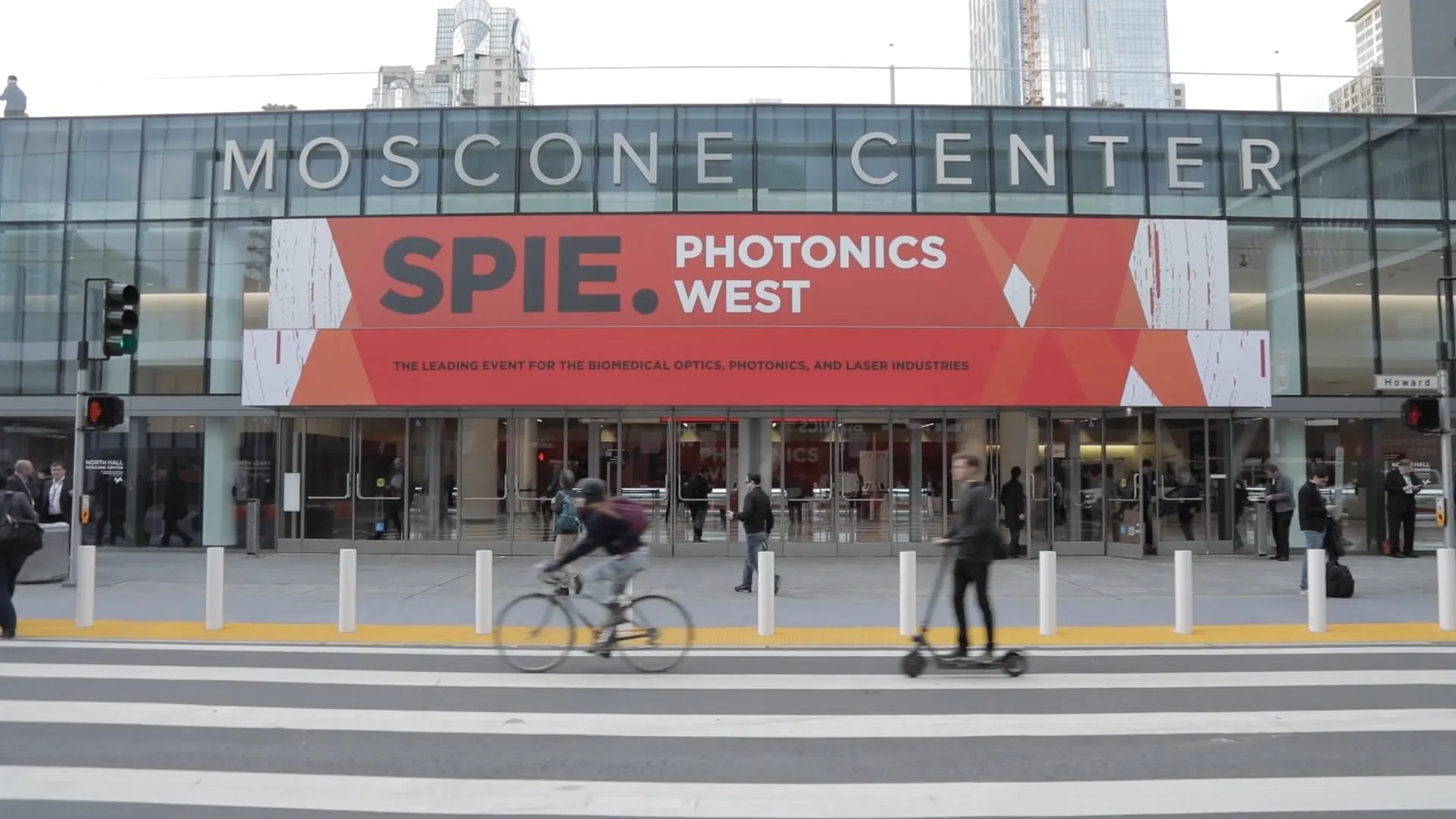
It's been so exciting to be at the NEB show to see all of the innovators that are leveraging AV1 and just involved in the energy from the very beginning.
It's been so cool to walk around and see companies across all spectrums from low-level codecs all the way up to encoding tools in the public cloud, folks who are working on hardware, and to see AV1 and AOM on their booths and to see the energy and the excitement around how they talk about it and what the innovation opportunities that they have for their businesses, it's just been unbelievable and so humbling to see that and I'm just so excited the NEB was just the perfect place for us to introduce AV1 to the world.
So we threw this really great party at the Omni Lounge at Ceasars Palace last night. It was hosted by Bit Movin and Mozilla and Facebook and it was just incredible. There was a huge line getting in. I had to wait at the back of the line.
People meeting each other for the first time oftentimes because they work across the world and you know talking about the energy that they have and the excitement they have about what they're going to do going forward.
So the next thing to do is go to AOMedia.org. Go to Get Started where you can see all the specs and the legal stuff and the source codes that you can download it and you can get started.
About This Video
AOMedia AV1 is a royalty-free, open-source video codec backed by a consortium that includes Google, Apple, Amazon, Netflix, and Microsoft. It delivers meaningfully better compression than older standards — better quality at lower file sizes, no royalty fees, and an open specification the industry can build on. That's a real story, but it's a hard one to tell quickly. The challenge with a video like this is the audience split: engineers understand the technical claims, but the people who decide whether to adopt the standard often don't. <span class="strong">Technology video production</span> for a codec or platform standard means making infrastructure feel legible — and credible — to the decision-makers who aren't in the codec conversation every day.
How do you make a technical video easier to understand?
Start with why it matters to the viewer, not how it works. AV1 is a royalty-free codec that delivers better compression than older standards — that's the version that lands with non-technical decision-makers. Engineers can follow the technical specs on their own. The video's job is to get everyone else oriented before the engineering conversation starts.
What makes a good technology marketing video?
It gives two different audiences — technical buyers and business decision-makers — something to take away. For AV1, that means conveying both the technical credibility (open standard, backed by the biggest names in streaming) and the practical value (better quality, lower bandwidth, no licensing fees). A video that only speaks to one of those audiences is doing half the job.
Why are concise visuals important in a technical explainer?
Because technical audiences will check out if the visuals are decorative rather than explanatory. For a codec, the visuals need to reinforce the compression benefit — what better quality at smaller file sizes actually looks like — not just animate a logo while someone narrates specs. Every visual should earn its place in the explanation.
When does a company need a short technical explainer video?
When the product is real but the story isn't landing outside the engineering team. AV1 had serious technical backing early on, but adoption required explaining why existing standards weren't enough. A short video can give non-technical audiences a working mental model faster than a white paper or product page — especially at a conference or in a partnership pitch where you have 90 seconds.
Can a video help market a technical standard or platform?
Yes, especially when adoption depends on decision-makers who aren't engineers. AV1 has deep technical backing from Google, Amazon, and Netflix — but procurement decisions and partnership conversations often happen at a level that doesn't involve codec engineers. A video that makes the standard feel legible at that level does work that documentation can't.