Brand Video Production
Sloane Stephens — TLC Tennis Learning Centers
Read Full Transcript of This Video
Transcript: Sloane Stephens — TLC Tennis Learning Centers
**Sloan Stephens, 2017 US Open Tennis Champion:** Being an outlet for kids who normally wouldn't have that outlet, not just for tennis but off the court as well, especially in the learning environment, being able to give them tennis learning centers like this and community centers where they're able to go and get their homework done and talk to people.
I think tennis has really changed my life and give me so many amazing opportunities so to give that back is really special.
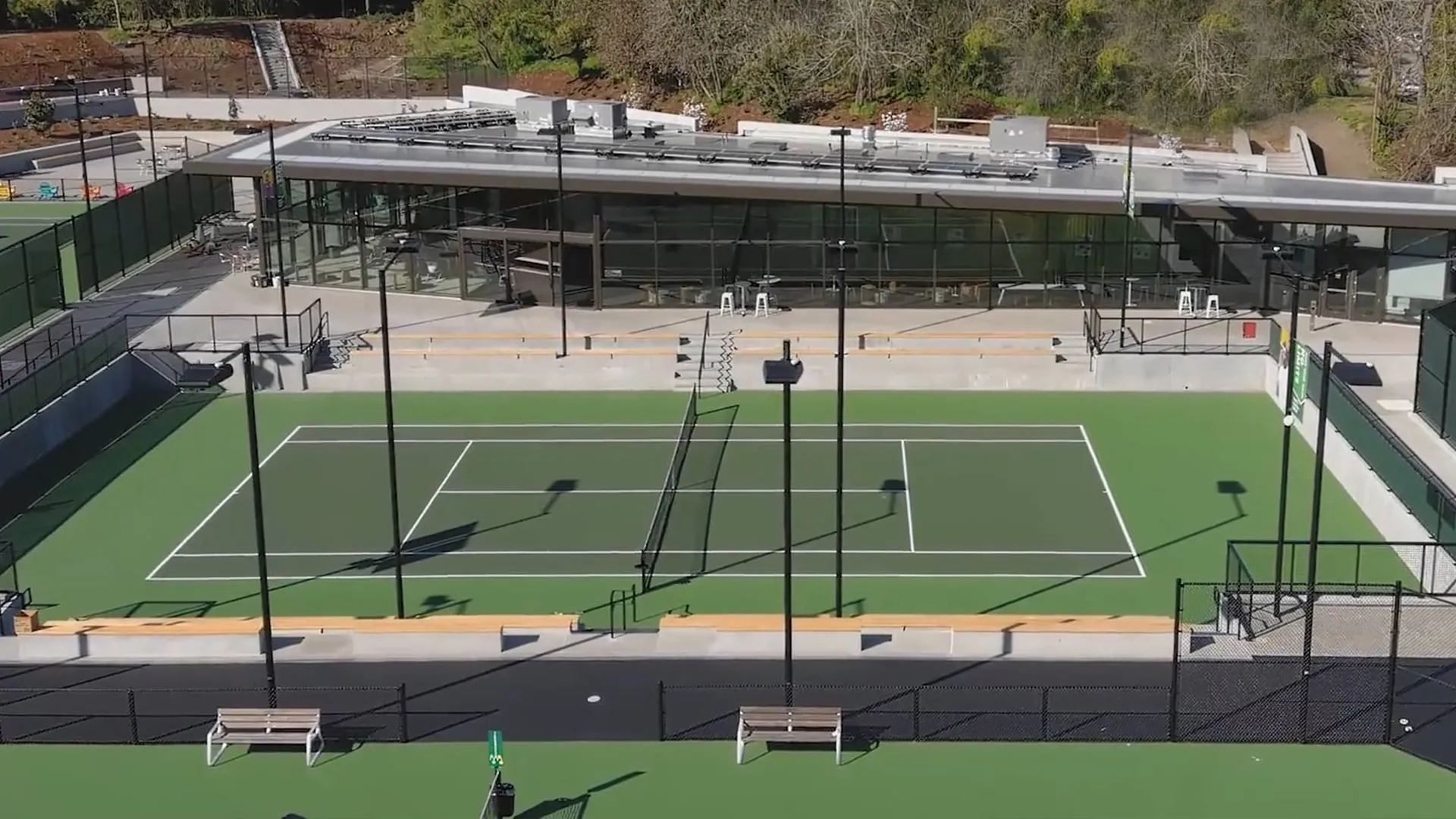
**Phil Ginsburg, General Manager, SF Rec and Parks:** Programs like Sloan's and like TLC are so important to creating a whole child. We're very proud of our TLC program and one year from now we will open TLC for middle schoolers in the Golden Gate Park Tennis Center.
**Sloan Stephens, 2017 US Open Tennis Champion:** People should support TLC because it's an amazing program in San Francisco giving kids opportunities, and I feel like what I do as a person I love giving kids opportunities and I think TLC is doing the exact same thing to be able to give these kids exactly what they need and it's a healthy and amazing great environment for kids to be in.
About This Video
TLC — Tennis Learning Centers — is a youth program run by the San Francisco Recreation and Parks Department, providing tennis and afterschool support to kids who otherwise wouldn't have access to either. This video features Sloane Stephens, the professional tennis player who grew up benefiting from programs like TLC, alongside the program's director. Both speak to the same point from different angles: tennis isn't the product. The whole child is. Homework help, community, a healthy environment — tennis is the hook that brings kids in. The closing announcement: a new TLC location opening at Golden Gate Park Tennis Center for middle schoolers within a year. For <span class="strong">brand video production</span>, a recognizable spokesperson helps — but only if they have a genuine connection to the mission. Sloane Stephens grew up in programs like this one. That's not a celebrity endorsement. That's a first-person account.
How do you produce a brand video for a nonprofit or community organization?
The same way you'd produce one for a for-profit client: start with the specific problem the organization solves, then let real people explain what it means in their lives. Nonprofit brand videos fail when they go for broad emotional appeal without grounding it in something specific — a named program, a named person, a concrete outcome. The Sloane Stephens video works because it names the program (TLC), names a specific location (Golden Gate Park Tennis Center), and uses a spokesperson who grew up in programs like this one. That's not inspiration. That's evidence.
What makes a spokesperson effective in a nonprofit brand video?
A genuine personal connection to the mission — not just name recognition. A celebrity who has no relationship to the cause reads as a paid endorsement. A well-known figure who benefited from a similar program, or who has been directly involved with the organization, reads as a testimonial. That distinction matters because viewers evaluating a cause are looking for reasons to trust it. 'I think this program is important' is much weaker than 'programs like this changed my life and I want to give that back.'
How long should a nonprofit brand video be?
Two minutes or under for the primary brand video. Nonprofits often try to include too much — every program, every outcome, every stakeholder. The version that drives donations or awareness is shorter and more specific. One program, two voices, one clear call to action. For campaigns or fundraising events, a slightly longer version (2-3 minutes) with more testimonials can work, but the editing goal is the same: every sentence either introduces new information or gets cut.
What's the difference between a nonprofit awareness video and a fundraising video?
Awareness videos make the case that the organization exists and matters. Fundraising videos make the case that a donation will accomplish something specific. Both need emotional grounding, but fundraising videos need to be more explicit about what the money does — a named program, a number of kids served, a concrete outcome. Awareness videos have more room to tell the larger story. For a program like TLC, an awareness video might open with Sloane Stephens; a fundraising video would close with what a specific donation funds.