Product Demo Video Production
Omron Robots at FisherGears — Denmark Precision Gear Manufacturing
Read Full Transcript of This Video
Transcript: Omron Robots at FisherGears — Denmark Precision Gear Manufacturing
**Lars Neilsen, Cheif Operating Officeer, Fischer Gears:** My name is Lars Nelsen. I'm the factory manager, COO, here at FisherGears.
FisherGears is a third-generation gear manufacturer placed here in Randers, Denmark.
We are an old company with a lot of different customers, but all of them are international players: Rolls-Royce, M&N, from ship engines to mining.
What we want now with these robots is also to be able to produce high-precision gears in bigger volumes.
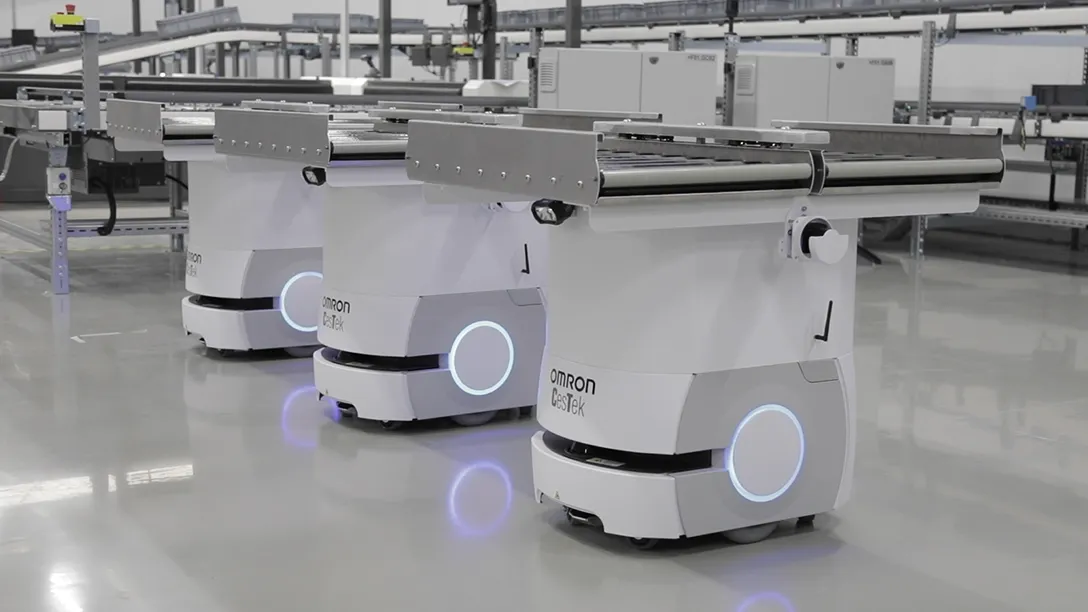
Smaller parts can be handled by robots. They can take the part, put the part in the machine and close the doors and take the part out and put it on the pallet.
We chose Omoron because the vision part was included in the robots.
The robots are very flexible due to the landmark. When moved to the machine from another machine, when they look at the landmark, they almost know where it is. Then you only have to choose the program that you want to run.
Also, the safety of the scanner that could be put on the robots. They're easier to have in an open factory environment, not to hit anyone or not hurting anyone.
The industry needs robots to expand, also to be competive price-wise, also for the employees not to do the same movement all day long and get worn down.
Of course, there's a cost benefit that we can produce. Also, when the employees are going home and the factory are closed, the robots can still produce.
We had Noah Lechter as our service partner who's doing all the implementing of the robots. So we thought that Omoron was the best robot for us.
About This Video
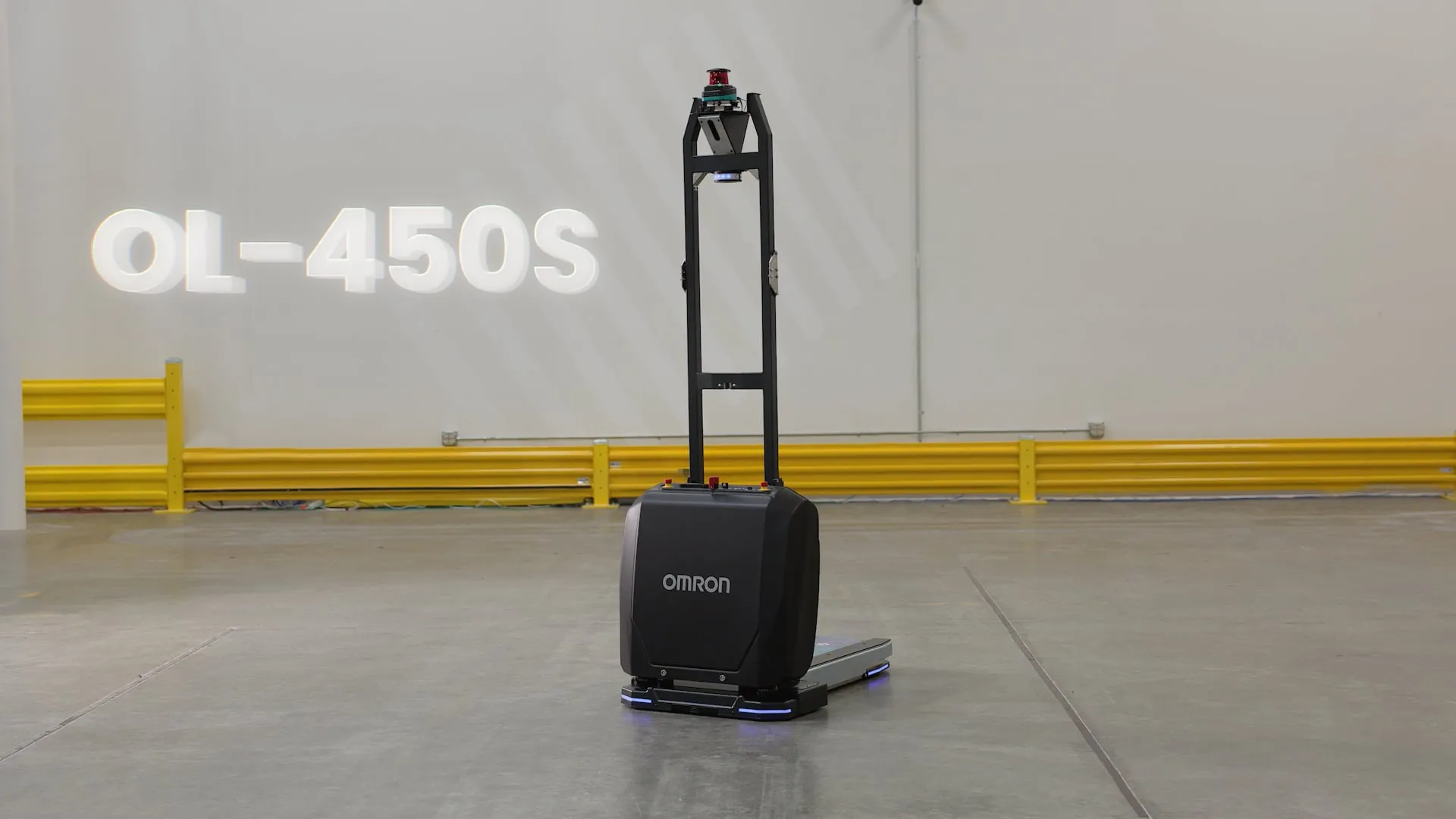
FisherGears is a third-generation precision gear manufacturer in Van Nuys, Denmark, producing gears for Rolls-Royce and MAN engines — for ship engines and mining equipment. To compete on volume without sacrificing the precision their clients require, FisherGears integrated Omron robots for parts handling: picking up precision gears, loading them into CNC machines, closing the door, and palletizing the finished parts. Lars Nelsen (factory manager and COO) describes the choice: Omron's vision system was built in, the safety scanner reduced risk in an open factory environment, and the landmark-based navigation meant robots could be moved to a new machine and re-oriented quickly. "The industry needs robots to expand — also to be competitive price-wise, and so employees don't do the same repetitive movement all day and get worn down. When employees go home and the factory is closed, the robots can still produce." For <span class="strong">product demo video production</span> in industrial settings, the most effective format is a facility walkthrough with the factory manager describing the problem, the solution, and the outcome in their own words.
How do you produce an industrial video for a robotic automation deployment at a manufacturing facility?
Let the factory manager or operations lead tell the story. They know the problem — in this case, needing to produce high-precision gears in larger volumes without scaling headcount — and they can explain why they chose this specific robot over alternatives. The most credible industrial videos are told from the perspective of the person who made the decision: what problem were you trying to solve, what did you choose and why, what happened after you deployed it. Film on the actual factory floor with the robots running.
What should an industrial robotics video include to be credible with a manufacturing audience?
Specifics: the product type, the manufacturing process, the customer base, the reason the robot was chosen over alternatives. 'We chose Omron because the vision system was included, the safety scanner worked in an open factory, and the landmark navigation meant we could move robots between machines without reprogramming' is a decision rationale that a manufacturing engineer can evaluate. Generic claims about 'increased efficiency' or 'improved productivity' are not.
How do you film manufacturing robots in action for a product demo video?
Film at the operational pace of the factory, not slow-motion for effect. Manufacturing robots are fast and the work is repetitive — the video should show the actual cycle: pick, load, close, process, unload, palletize. Tight shots of the end effector and the precision of the part placement show the viewer something they care about: is this robot capable of handling my parts at my tolerances? Wide shots establish the environment; close shots establish the capability.
How do you balance the human and automation story in a manufacturing video?
Show what changes and what stays the same. At FisherGears, the precision work is still done by employees — the robot handles the parts movement and machine loading. 'Everything assembly is made by hand, but the moving around is done by robots' is how Vola put it (a related Omron deployment). That framing — automation handles the repetitive physical work, people handle the precision work — addresses the anxiety that automation replaces jobs and reframes it as automation supporting the people who are best at what they do.